Hybrid cars have steadily built a strong place in the Indian automotive market by offering the perfect balance between fuel efficiency and everyday practicality. For buyers who aren't ready to switch to a fully electric vehicle, hybrids have become a reliable middle ground. But the June 2026 sales numbers show that even a segment this popular isn't immune to month-on-month swings. Total hybrid car sales in India stood at 8,322 units in June 2026, down 8.1% from the 9,056 units sold in May 2026.
This report breaks down exactly what happened, model by model, brand by brand, and puts the numbers in context against the electric vehicle (EV) boom happening at the same time.
June 2026 Hybrid Car Sales at a Glance
· Total hybrid car sales (June 2026): 8,322 units
· Total hybrid car sales (May 2026): 9,056 units
· Month-on-month change: -8.1% (a decline of 734 units)
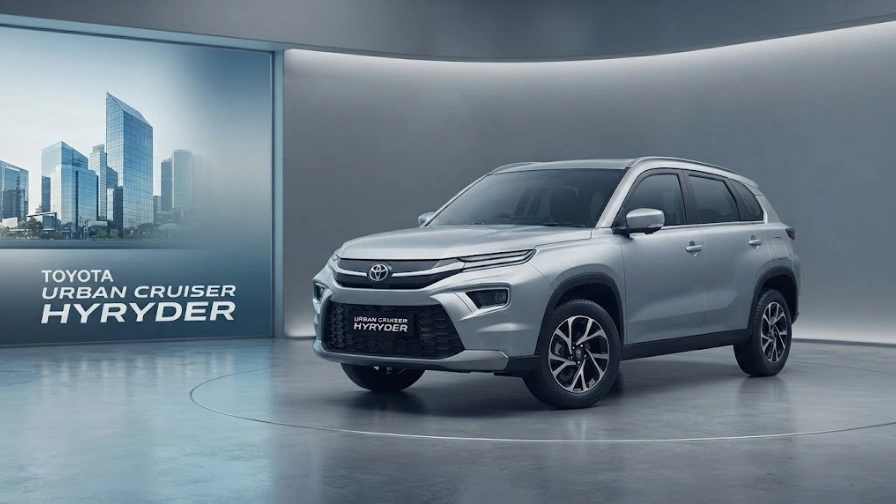
· Best-selling hybrid car: Toyota Hyryder (3,550 units)
· Biggest volume loser: Toyota Innova Hycross (down 1,538 units, -36.3%)
· Biggest percentage gainer: Maruti Suzuki Victoris (+91.4%)
· Number of hybrid models tracked: 8, spread across three manufacturers — Toyota, Maruti Suzuki, and Honda
At a glance, the headline decline looks like bad news for the hybrid segment. But as the model-wise breakdown shows, this dip was driven almost entirely by one car, while several others actually posted strong growth.
Hybrid Car Sales Report – Model-Wise Sales in June 2026
|
Rank |
Model |
June 2026 |
May 2026 |
MoM Change |
|
1 |
Toyota Hyryder |
3,550 |
3,123 |
+13.7% |
|
2 |
Toyota Innova Hycross |
2,702 |
4,240 |
-36.3% |
|
3 |
Maruti Suzuki Grand Vitara |
723 |
594 |
+21.7% |
|
4 |
Maruti Suzuki Victoris |
515 |
269 |
+91.4% |
|
5 |
Maruti Suzuki Invicto |
349 |
301 |
+15.9% |
|
6 |
Toyota Camry |
191 |
192 |
-0.5% |
|
7 |
Honda City |
152 |
~173 |
-12.1% |
|
8 |
Toyota Vellfire |
140 |
164 |
-14.6% |
A quick read of this table tells an interesting story: five out of eight models actually grew in June, while the overall segment still shrank. That's only possible if the decline was concentrated in one or two high-volume nameplates — and that's exactly what happened with the Innova Hycross.
Why Did Hybrid Car Sales Decline by 8%?
The 8.1% month-on-month drop looks alarming at first glance, but the underlying pattern is straightforward once you isolate the cause:
1. The Innova Hycross correction did the heavy lifting. The Innova Hycross alone lost 1,538 units between May and June — more than the segment's entire net decline of 734 units. In other words, without the Hycross correction, hybrid sales as a category would actually have grown month-on-month. Large MPVs like the Hycross are known for lumpy, order-book-driven sales patterns; a strong May (often fuelled by pending deliveries or a dealer push) is frequently followed by a quieter June as that backlog clears.
2. Most other models held steady or improved. The Hyryder, Grand Vitara, Victoris, and Invicto all posted healthy gains, which shows underlying demand for hybrid SUVs remains intact. This isn't a segment-wide slowdown in consumer interest — it's a single-model normalization skewing the aggregate number.
3. Seasonal and inventory factors. June typically sits between the financial year-end rush (which tapers off by April) and the pre-festive buildup that usually begins around September-October. In this lull, buyers of larger, higher-ticket vehicles like the Hycross tend to hold off, while compact and mid-size hybrid SUVs — which see more everyday, non-discretionary demand — continue to sell steadily.
4. No major new hybrid launch in June. Unlike some months where a fresh model addition inflates the base, June 2026 saw no new hybrid nameplate enter the market, so the numbers reflect organic demand for the existing lineup rather than a launch-driven spike.
Toyota Hyryder Tops Hybrid Sales Again
The Toyota Hyryder wasn't just the best-selling hybrid car in June 2026 — it widened its lead. With 3,550 units sold, it grew 13.7% over May's 3,123 units, and it now accounts for 42.7% of all hybrid car sales in India for the month.
A few reasons the Hyryder keeps winning this segment:
· It sits in the sweet spot of India's SUV-obsessed market — a compact SUV body with hybrid running costs.
· Toyota's strong-hybrid tech (shared with the Grand Vitara) is proven, well-reviewed, and backed by a reliability reputation that resonates strongly with first-time hybrid buyers.
· Waiting periods and dealer stock availability have reportedly improved, helping convert pent-up bookings into actual retail sales.
For context, the Hyryder alone outsold the entire Maruti Suzuki hybrid portfolio (Grand Vitara + Victoris + Invicto combined = 1,587 units) by more than two-to-one in June.
Brand-Wise Hybrid Sales Performance
Breaking the 8,322 units down by manufacturer paints a clear three-way picture:
|
Brand |
June 2026 Units |
Market Share |
Models Contributing |
|
Toyota |
6,583 |
~79.1% |
Hyryder, Innova Hycross, Camry, Vellfire |
|
Maruti Suzuki |
1,587 |
~19.1% |
Grand Vitara, Victoris, Invicto |
|
Honda |
152 |
~1.8% |
City |
Toyota's dominance is stark. Nearly 8 out of every 10 hybrid cars sold in India in June 2026 wore a Toyota badge. This is a direct result of Toyota's early and aggressive push into strong-hybrid technology in India, spanning everything from the sub-15-lakh Hyryder to the luxury Vellfire MPV.
Maruti Suzuki is the clear number two, and its growth story is arguably more encouraging than Toyota's — every single Maruti hybrid model grew in June, showing consistent demand across its lineup rather than reliance on one hero product.
Honda remains a marginal player in hybrids for now, with the City as its sole offering. Its 12.1% decline suggests the model may be nearing the later stage of its product cycle, especially with fresher hybrid options from rivals crowding the mid-size sedan and SUV space.
Top 5 Best-Selling Hybrid Cars in June 2026
1. Toyota Hyryder — 3,550 units. India's favourite hybrid SUV, combining Maruti-Toyota shared platform economics with Toyota's hybrid drivetrain and badge value.
2. Toyota Innova Hycross — 2,702 units. Still comfortably India's best-selling hybrid MPV despite the sharp monthly dip, and a segment benchmark for family buyers.
3. Maruti Suzuki Grand Vitara — 723 units. The Hyryder's mechanical twin, popular for its more accessible dealer network and Maruti's after-sales reach.
4. Maruti Suzuki Victoris — 515 units. The fastest-growing model in the entire list at +91.4%, signalling strong early traction for Maruti's newer hybrid SUV offering.
5. Maruti Suzuki Invicto — 349 units. A steady performer in the premium MPV space, continuing its gradual month-on-month climb.
Together, these five models account for 93.3% of all hybrid car sales in India in June 2026 — underlining just how concentrated this segment still is around a handful of proven nameplates.
Hybrid vs EV Sales in June 2026
Placed side by side with the EV market, June 2026 tells a story of two very different growth trajectories. While hybrid sales slipped to 8,322 units, electric passenger vehicle retail sales in India crossed the 31,000-unit mark for the first time, rising 19.27% month-on-month over May 2026 and growing more than 107% year-on-year.
That means EVs outsold hybrids by roughly 3.8x in June 2026 — a gap that would have seemed unthinkable just a couple of years ago. A few points stand out from this comparison:
· Tata Motors, Mahindra & Mahindra, and JSW MG Motor together account for 81% of the total electric passenger vehicle market share, meaning EV growth — much like hybrid growth — is still concentrated among a few dominant players, mirroring Toyota's grip on hybrids.
· Maruti Suzuki, historically absent from the EV race, posted its highest-ever monthly EV retail figure after the launch of the eVitara, and Toyota itself entered the electric passenger vehicle retail charts following the launch of the Urban Cruiser Ebella — a signal that even hybrid-focused manufacturers are now hedging their bets on pure EVs.
· The share of electric passenger vehicles in the overall passenger vehicle market improved to 7.7% in June 2026, compared with 6.6% in May 2026 and 4.8% a year earlier, showing EV penetration is climbing steadily even as the hybrid segment plateaus.
The takeaway: hybrids remain a solid, dependable choice for buyers wary of charging infrastructure, but momentum in India's electrified vehicle market is visibly tilting toward full EVs — helped by expanding charging networks, falling battery costs, and a widening range of models across price points.
Hybrid Car Market Trends in India
A few structural trends are shaping where the hybrid segment goes from here:
· Market share has been gently softening. Hybrids reportedly made up around 8.22% of India's passenger-vehicle registrations in FY2025-26, slightly down from about 8.73% the year before, and hovered near 8.05% in May 2026 — a sign the category's growth is maturing rather than accelerating.
· Toyota-Maruti's shared hybrid platform continues to anchor the category. The Hyryder-Grand Vitara pairing remains the backbone of India's hybrid volumes, and any update to this platform tends to move the entire segment's numbers.
· Premium and MPV hybrids see lumpier demand. Models like the Innova Hycross, Vellfire, and Invicto see sharper month-to-month swings than compact SUVs, largely because they cater to a smaller, more considered buyer base with longer decision cycles.
· Strong hybrids vs mild hybrids matters more than ever. As more brands enter with mild-hybrid systems (which offer limited electric-only capability), buyers are becoming more discerning about the difference between genuine strong-hybrid efficiency and marketing-led "hybrid" badges.
· Rising fuel costs keep hybrids relevant, even as EV infrastructure expands — particularly for buyers who drive long distances, live in apartments without dedicated charging, or aren't yet ready to commit fully to battery-electric ownership.
Upcoming Hybrid Cars in India (2026)
The hybrid segment is set for a meaningfully broader lineup through the rest of 2026 and into 2027, which should help counter the kind of single-model volatility seen this June. Cars expected to join the space include:
· Maruti Suzuki Swift Hybrid and Fronx Hybrid — aimed at bringing hybrid efficiency to the mass-market hatchback and compact SUV segments for the first time, rather than keeping it confined to mid-size SUVs and MPVs.
· Honda Elevate Hybrid — set to give Honda a genuine hybrid SUV contender beyond the ageing City sedan.
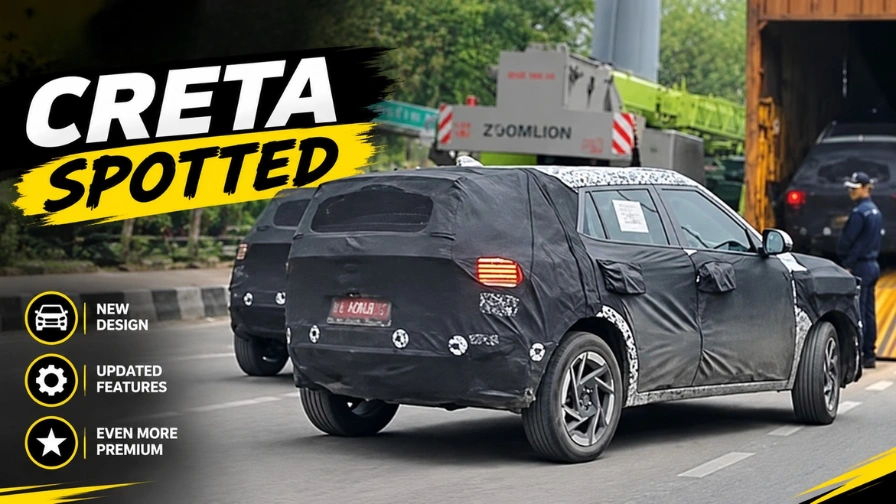
· Hyundai Creta Hybrid and Kia Seltos Hybrid — two of India's best-selling SUV nameplates are expected to gain hybrid powertrains, which could meaningfully shake up the current Toyota-Maruti duopoly.
· Renault Duster Hybrid — reportedly targeted for a festive-season 2026 launch with a strong-hybrid powertrain, positioned to rival the Grand Vitara and Hyryder.
· Toyota Urban Cruiser Hyryder and Grand Vitara updates — expected refreshes to the segment's current leaders to keep them competitive as new rivals arrive.
· Premium additions such as the Honda CR-V Hybrid's expected return and possible plug-in hybrid entrants from newer players, widening the segment upward as well as downward.
If even a handful of these launches land on schedule, 2026-27 could be the most competitive stretch the Indian hybrid segment has seen — ending Toyota's near-80% share dominance and giving buyers meaningfully more choice across body styles and price points.
Expert View
Looking at the June 2026 numbers holistically, the "8% decline" headline undersells what's actually a fairly resilient month for hybrids. The drop is almost entirely attributable to one model's order-book normalization, not a broad loss of consumer interest — five of eight tracked models grew, several by double digits.
That said, the more important long-term signal is the widening gap with EVs. With electric passenger vehicles now outselling hybrids by nearly 4x and continuing to post record months, hybrid manufacturers can't rely on being the "safe middle ground" indefinitely. The real test for the segment will come over the next 12 months, as Hyundai, Kia, Honda, and Maruti bring hybrid power to higher-volume, lower-priced segments where Toyota currently has little presence. Until then, expect hybrid sales to keep tracking closely behind the Hyryder and Innova Hycross — for better or worse.
FAQs
Q1. How many hybrid cars were sold in India in June 2026?
A total of 8,322 hybrid cars were sold in India in June 2026, down 8.1% from 9,056 units in May 2026.
Q2. Which was the best-selling hybrid car in India in June 2026?
The Toyota Hyryder was the best-selling hybrid car, with 3,550 units sold — a 13.7% increase over May 2026.
Q3. Why did overall hybrid car sales decline in June 2026 despite most models growing?
The decline was driven almost entirely by the Toyota Innova Hycross, whose sales fell by 1,538 units (-36.3%) month-on-month. This single drop outweighed the combined gains of the Hyryder, Grand Vitara, Victoris, and Invicto.
Q4. Which brand leads India's hybrid car market?
Toyota leads by a wide margin, accounting for roughly 79% of all hybrid car sales in June 2026, followed by Maruti Suzuki (~19%) and Honda (~2%).
Q5. Did EVs outsell hybrid cars in June 2026?
Yes. Electric passenger vehicles crossed 31,000 units in June 2026, outselling hybrids (8,322 units) by close to 4 times, and posting stronger month-on-month and year-on-year growth.
Q6. Which new hybrid cars can buyers expect in India in the near future?
Upcoming hybrid launches include the Maruti Suzuki Swift Hybrid and Fronx Hybrid, Honda Elevate Hybrid, Hyundai Creta Hybrid, Kia Seltos Hybrid, and Renault Duster Hybrid, among others, likely arriving through late 2026 and into 2027.