In the ever-evolving world of automotive technology, car engines remain the heart and soul of every vehicle. No matter how advanced a car looks from the outside or how many smart features it offers inside, the engine ultimately determines its performance, efficiency, reliability, and driving experience. Over the years, car engines have evolved from simple mechanical systems into highly sophisticated, efficient, and environmentally conscious power units.
This comprehensive guide explores everything you need to know about car engines, especially from an Indian buyer’s perspective. From understanding how engines work to comparing petrol, diesel, and hybrid engines, this article will help you make informed decisions as we move closer to 2025.
What is a Car Engine?
A car engine is a machine designed to convert fuel into mechanical energy. This energy is used to move the vehicle forward by powering the wheels. In simple terms, the engine is what makes your car move.
Modern car engines are designed to deliver:
-
Power and acceleration
-
Fuel efficiency
-
Low emissions
-
Smooth and reliable performance
As automotive technology advances, engines are becoming smaller, smarter, and more efficient without compromising on performance.
Why Car Engines Matter
Understanding car engines is crucial for any car enthusiast or buyer in India. The type of engine you choose directly affects:
-
Vehicle performance
-
Fuel costs
-
Maintenance expenses
-
Driving comfort
-
Resale value
With rising fuel prices, stricter emission norms, and increasing focus on sustainability, engine choice has become more important than ever.
As we move towards 2025, manufacturers are rapidly innovating to meet global emission standards while still catering to Indian driving conditions.
Evolution of Car Engines
Early Engines
-
Large displacement
-
High fuel consumption
-
Limited efficiency
-
Minimal emission control
Modern Engines
-
Turbocharged and downsized
-
Improved mileage
-
Lower emissions
-
Advanced electronics and sensors
This evolution has transformed the driving experience and made cars more affordable to own and maintain in the long run.
Key Benefits of Modern Car Engines
1. Improved Efficiency and Performance
Modern engines deliver more power using less fuel. Technologies like turbocharging, direct fuel injection, and variable valve timing help achieve higher efficiency and better acceleration.
This means:
-
Better mileage in city traffic
-
Strong performance on highways
-
Reduced fuel expenses
2. Enhanced Safety and Reliability
Although engines are not direct safety features, reliable and responsive engines play a crucial role in accident avoidance. Smooth acceleration and predictable power delivery help drivers maneuver safely in critical situations.
Modern engines are also built with higher-quality materials and undergo extensive testing, improving long-term reliability.
3. Better Resale Value
Cars with efficient and reliable engines generally have better resale value. Buyers in the used car market prefer vehicles known for durability, good mileage, and low maintenance costs.
Types of Car Engines
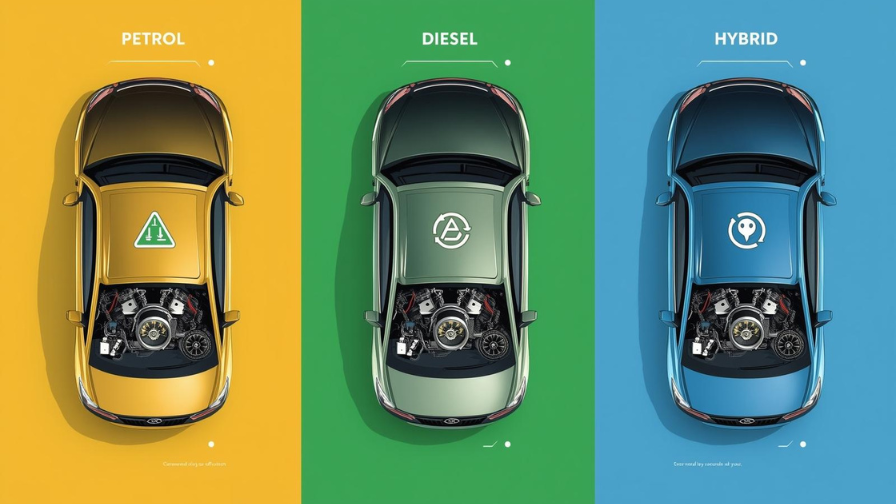
1. Petrol Engines
Petrol engines are the most common choice among Indian car buyers.
Advantages
-
Smooth and quiet operation
-
Lower initial cost
-
Ideal for city driving
-
Lower maintenance costs
Disadvantages
-
Lower fuel efficiency compared to diesel
-
Petrol prices can fluctuate
Petrol engines are best suited for users with lower daily running and predominantly city usage.
2. Diesel Engines
Diesel engines are known for their torque and fuel efficiency.
Advantages
-
Better mileage
-
High torque for highways and heavy loads
-
Longer engine life
Disadvantages
-
Higher upfront cost
-
Slightly higher maintenance
-
Diesel noise (though reduced in modern engines)
Diesel engines are ideal for long-distance travelers and users with high monthly running costs.
3. Hybrid Engines
Hybrid engines combine a traditional internal combustion engine with an electric motor.
Advantages
-
Excellent fuel efficiency
-
Lower emissions
-
Smooth and silent city driving
Disadvantages
-
Higher purchase price
-
Limited availability in some segments
Hybrids are gaining popularity as fuel prices rise and environmental awareness increases.
4. Turbocharged Engines
Turbocharging allows smaller engines to produce more power.
Benefits
-
Improved performance
-
Better fuel efficiency
-
Reduced emissions
Turbo engines are now common in both petrol and diesel cars across various segments.
How Car Engines Work
-
Fuel enters the engine cylinder
-
Air mixes with fuel
-
The mixture is compressed
-
Ignition occurs
-
Energy is released, pushing the piston
-
Power is transferred to the wheels
This process happens thousands of times per minute, enabling smooth and continuous movement.
Car Engines in City Driving
In city traffic, engines must handle:
-
Frequent stops
-
Slow speeds
-
Congested roads
Modern engines are tuned to deliver good low-end torque, making city driving easier and more fuel-efficient. Petrol and hybrid engines perform exceptionally well in these conditions.
Car Engines on Highways
Highway driving demands:
-
Stable power delivery
-
Efficient cruising
-
Strong overtaking capability
Diesel and turbocharged engines excel on highways due to their torque-rich performance and fuel efficiency.
Engine Size and Displacement
Engine displacement refers to the total volume of all cylinders.
-
Smaller engines: Better fuel efficiency
-
Larger engines: More power
Modern technology allows smaller engines to deliver power comparable to larger ones, making them more practical for Indian conditions.
Emission Norms and Engine Technology
India follows stringent emission standards to reduce pollution.
BS6 Norms
-
Lower emissions
-
Cleaner exhaust gases
-
Advanced fuel injection systems
Manufacturers are continuously upgrading engines to meet these regulations without sacrificing performance.
Maintenance and Ownership Costs
Petrol Engines
-
Lower service costs
-
Affordable spare parts
Diesel Engines
-
Slightly higher maintenance
-
Longer service intervals
Hybrid Engines
-
Lower fuel costs
-
Battery replacement costs (long-term consideration)
Choosing the right engine can significantly impact long-term ownership expenses.
Consumer Perspective: Choosing the Right Car Engine
When buying a car, consider:
-
Daily usage
-
Driving conditions
-
Fuel availability
-
Budget
-
Long-term ownership plans
A well-chosen engine enhances driving satisfaction and reduces stress over time.
Petrol vs Diesel vs Hybrid: Which One is Best?
| Factor | Petrol | Diesel | Hybrid |
|---|---|---|---|
| Mileage | Moderate | High | Very High |
| City Driving | Excellent | Good | Excellent |
| Highway Driving | Good | Excellent | Very Good |
| Cost | Low | Medium | High |
| Maintenance | Low | Medium | Medium |
There is no one-size-fits-all answer. The best engine depends on your driving habits and priorities.
Future of Car Engines
By 2025 and beyond, car engines will continue to evolve.
Expected Trends
-
Increased hybrid adoption
-
Cleaner petrol and diesel engines
-
Greater focus on fuel efficiency
-
Integration with electric powertrains
While electric vehicles are rising, internal combustion engines will continue to play a major role in India for years to come.
Conclusion
Car engines are the foundation of every vehicle. From performance and fuel efficiency to reliability and resale value, the engine influences every aspect of car ownership. Understanding car engines empowers buyers to make smarter, more confident decisions.
Whether you prefer petrol, diesel, or hybrid, choosing the right engine based on your needs will significantly enhance your ownership experience. As technology advances, car engines will become even more efficient, cleaner, and intelligent.
Petrol vs Diesel vs Hybrid is a topic worth discussing, and we hope this guide helped you understand why car engines remain the driving force of the automotive future.
Stay tuned for more updates on car engines, automotive technology, and buying guides.