
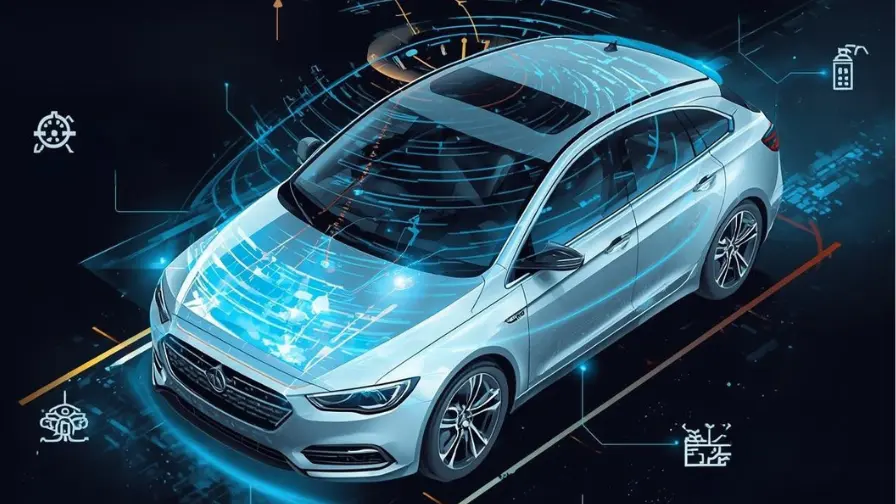
What is ADAS Technology?
Why ADAS Technology Matters
Understanding ADAS Technology is crucial for any car enthusiast or buyer in India. According to global road safety studies, more than 90% of road accidents occur due to human error—distraction, fatigue, misjudgment, or delayed reaction. ADAS directly addresses these issues.
Importance of ADAS in India
India presents a unique driving environment:
-
Dense traffic
-
Mixed road users (cars, bikes, pedestrians, animals)
-
Poor lane discipline
-
Unpredictable road conditions
ADAS Technology helps drivers navigate these challenges by acting as an extra layer of awareness and protection.
As we move towards 2025, more manufacturers are adopting ADAS, making it a key differentiator even in mid-range vehicles.
Key Benefits of ADAS Technology
1. Improved Safety Standards
Safety is the biggest advantage of ADAS Technology. Key safety benefits include:
-
Reduced chances of collisions
-
Early warnings for potential hazards
-
Automatic intervention in critical situations
Features like Automatic Emergency Braking (AEB) and Forward Collision Warning (FCW) can prevent or significantly reduce the severity of accidents.
2. Enhanced Driving Comfort
ADAS reduces driver fatigue, especially during long drives and heavy traffic. Systems like Adaptive Cruise Control and Traffic Jam Assist make daily commuting and highway driving far more relaxed.
3. Better Efficiency and Performance
By maintaining optimal speed, safe following distances, and smoother braking, ADAS contributes to:
-
Improved fuel efficiency
-
Reduced wear and tear on brakes and tyres
-
Consistent driving performance
4. Higher Resale Value
Cars equipped with ADAS Technology tend to have better resale value. As safety awareness increases among Indian buyers, vehicles with ADAS features are more desirable in the used-car market.
Core ADAS Features Explained
1. Forward Collision Warning (FCW)
This system alerts the driver when the vehicle is approaching another vehicle too quickly, helping prevent rear-end collisions.
2. Automatic Emergency Braking (AEB)
If the driver does not react in time to an impending collision, AEB automatically applies the brakes to reduce impact or avoid the crash altogether.
3. Lane Departure Warning (LDW)
The system alerts the driver if the vehicle unintentionally drifts out of its lane without using indicators.
4. Lane Keep Assist (LKA)
An advanced version of LDW, Lane Keep Assist actively steers the car back into the lane if it starts drifting.
5. Adaptive Cruise Control (ACC)
Unlike traditional cruise control, ACC automatically adjusts the vehicle’s speed to maintain a safe distance from the car ahead.
6. Blind Spot Detection (BSD)
This feature warns the driver if there is a vehicle in the blind spot, especially useful during lane changes.
7. Rear Cross Traffic Alert (RCTA)
While reversing, this system detects approaching vehicles from the sides and alerts the driver.
How ADAS Technology Works
ADAS relies on a combination of hardware and software.
Sensors Used in ADAS
-
Cameras (front, rear, side)
-
Radar sensors
-
Ultrasonic sensors
Data Processing
-
Sensor data is processed in real time
-
AI algorithms analyze surroundings
-
The system either warns the driver or intervenes
This real-time decision-making is what makes ADAS so effective.
ADAS in City Driving
In urban environments, ADAS offers unparalleled convenience.
Benefits in City Traffic
-
Traffic Jam Assist reduces stop-and-go fatigue
-
Pedestrian detection helps avoid accidents
-
Parking assistance simplifies tight parking situations
For daily commuters in Indian cities, ADAS significantly improves peace of mind.
ADAS on Highways
Highways are where ADAS truly shines.
Highway Advantages
-
Stable cruising with Adaptive Cruise Control
-
Reduced driver fatigue
-
Enhanced safety during overtaking
Long-distance travel becomes safer, smoother, and less tiring.
Limitations of ADAS Technology
While ADAS is highly beneficial, it is not perfect.
1. Driver Over-Reliance
ADAS is an assistance system, not a replacement for attentive driving.
2. Road Infrastructure Challenges
Poor lane markings and unpredictable traffic behavior can limit ADAS effectiveness in India.
3. Weather Conditions
Heavy rain, fog, or dust may affect sensor performance.
Manufacturers continuously improve these systems, but driver awareness remains essential.
ADAS Technology and Indian Buyers
Growing Awareness
Indian consumers are becoming more safety-conscious, especially families and urban professionals.
Increasing Availability
ADAS is no longer limited to luxury cars. Many vehicles under ₹20–25 lakhs now offer Level 1 and Level 2 ADAS features.
Levels of ADAS Explained
Level 0 – No Automation
Driver controls everything.
Level 1 – Driver Assistance
Single feature like cruise control.
Level 2 – Partial Automation
Multiple features work together (ACC + LKA).
Most ADAS cars in India currently offer Level 2 automation.
Future of ADAS Technology in India
Experts suggest that by 2025:
-
ADAS will become standard across most segments
-
Government safety regulations will encourage adoption
-
Improved road infrastructure will enhance performance
-
Integration with electric and connected vehicles will increase
ADAS is a stepping stone towards fully autonomous vehicles.
Consumer Perspective: Should You Choose a Car with ADAS?
If you are planning to buy a new car, prioritizing ADAS Technology is a smart move.
Why?
-
Better safety for the family
-
Stress-free driving
-
Future-ready vehicle
-
Higher resale value
It may seem like a small detail, but ADAS significantly enhances the overall ownership experience.
Conclusion
ADAS Technology represents the future of safe and intelligent mobility. From reducing accidents to improving driving comfort, its impact is profound and far-reaching. As Indian roads evolve and safety awareness increases, ADAS will no longer be an optional luxury—it will become a necessity.
Understanding ADAS Technology today prepares you for the vehicles of tomorrow. We hope this detailed guide helped you grasp why ADAS is shaping the future of the Indian automotive industry.
Stay tuned for more updates on ADAS Technology, car safety innovations, and upcoming automotive trends.