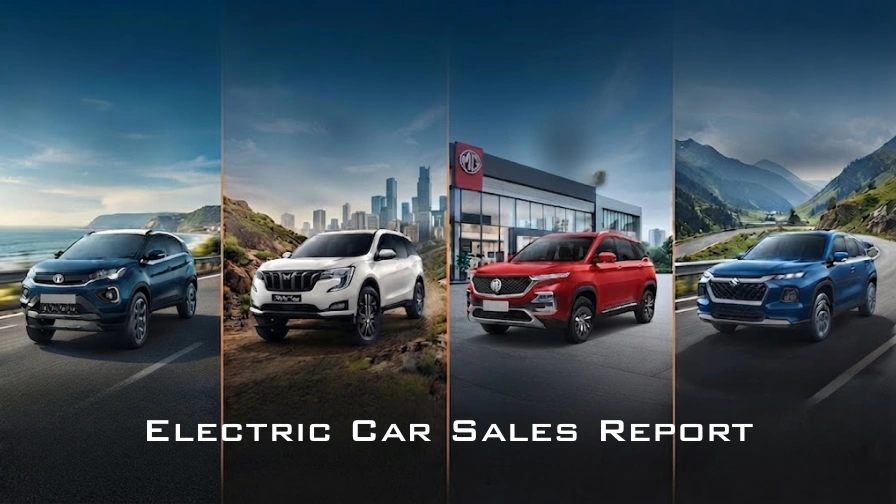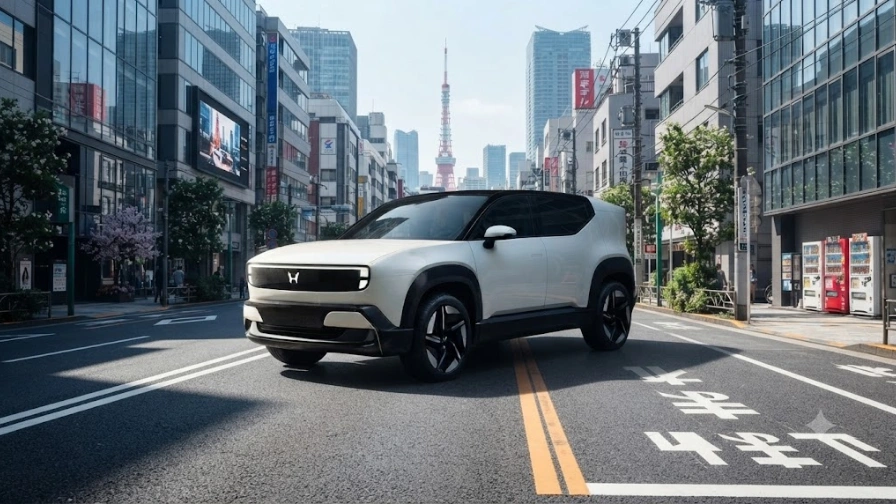
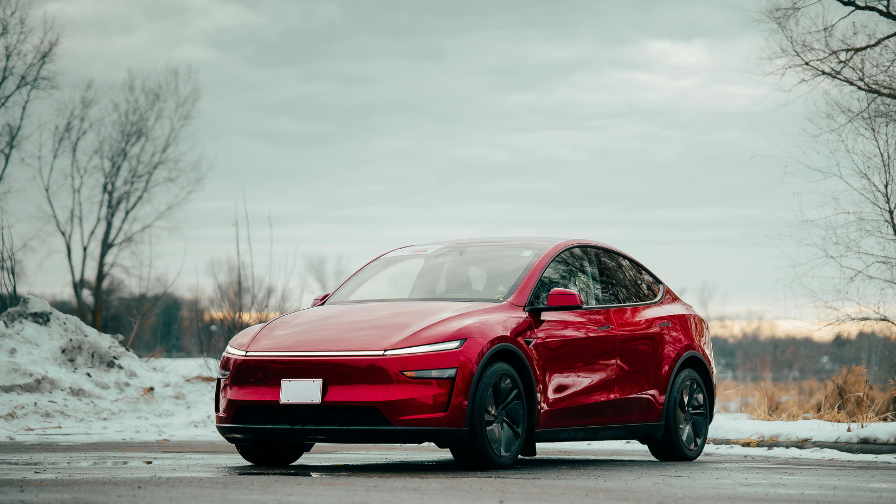
The Indian automotive industry is undergoing a seismic shift, driven by the global push towards sustainability, rising fuel costs, urban pollution, and the urgent need to combat climate change. At the forefront of this transformation are Electric Vehicles (EVs). Once considered a futuristic concept or a niche alternative, EVs are rapidly becoming a mainstream mobility solution in India.
As we approach 2026, the adoption of electric vehicles is no longer a question of if, but how fast. From two-wheelers and passenger cars to commercial fleets and public transport, electrification is reshaping how India moves. This comprehensive guide explores the current state of EVs in India, the role of government policies, the evolution of charging infrastructure, technological advancements, consumer mindset, challenges, and why the future of Indian mobility is undeniably electric.
Why Electric Vehicles Matter for India
India faces a unique combination of challenges and opportunities that make EV adoption not just desirable, but necessary.
Environmental Concerns
Indian cities consistently rank among the most polluted in the world. Vehicular emissions are a major contributor to poor air quality. EVs, with zero tailpipe emissions, offer a direct solution to reducing urban pollution.
Energy Security
India imports a large portion of its crude oil. Transitioning to electric mobility reduces dependence on fossil fuels and improves long-term energy security.
Economic Benefits
Electric vehicles are more energy-efficient and cheaper to run. Over time, they reduce operating costs for individuals, businesses, and government transport systems.
Evolution of Electric Vehicles in India
Early Phase
-
Limited models
-
High prices
-
Lack of charging infrastructure
-
Low consumer awareness
Current Phase
-
Wider EV options across segments
-
Better battery range
-
Improved charging availability
-
Growing consumer confidence
India is currently in a transition phase, moving steadily towards mass adoption.
Government Policies Driving EV Adoption
Government intervention has played a crucial role in accelerating EV adoption in India.
National-Level Initiatives
The central government introduced incentive-based programs aimed at:
-
Reducing upfront EV costs
-
Supporting domestic manufacturing
-
Encouraging innovation in battery technology
Subsidies and incentives have made EVs more affordable for both private buyers and fleet operators.
State-Level Support
Several state governments have gone a step further by offering:
-
Road tax exemptions
-
Registration fee waivers
-
Capital subsidies for charging infrastructure
-
Special incentives for commercial EVs
States like Maharashtra, Delhi, Tamil Nadu, and Gujarat are leading the EV push, creating EV-friendly ecosystems.
Charging Infrastructure: The Backbone of EV Adoption
One of the biggest early concerns around EVs was range anxiety—the fear of running out of charge without access to a charger. This concern is rapidly fading.
Expansion of Charging Networks
Power companies, oil marketing companies, startups, and private players are investing heavily in charging infrastructure.
Types of Charging Solutions
-
Home charging (slow and convenient)
-
Public AC chargers
-
DC fast chargers for highways
-
Workplace and commercial charging hubs
By 2026, fast-charging stations are expected to be widely available across major highways, urban centers, and tier-2 cities.
Advances in Battery Technology
Battery technology is the heart of electric vehicles, and rapid innovation is transforming the EV landscape.
Improvements in Battery Range
Modern EVs offer significantly higher driving range, making them suitable for both city and highway use.
Faster Charging
New battery chemistries support quicker charging times, reducing downtime and improving convenience.
Cost Reduction
Battery costs have dropped sharply over the last decade, making EVs more affordable and competitive with internal combustion engine vehicles.
Electric Two-Wheelers: Leading the EV Revolution
Two-wheelers are the backbone of Indian mobility, and they are also leading EV adoption.
Why Two-Wheelers Are Ideal for EVs
-
Short daily commutes
-
Lower battery requirements
-
Affordable pricing
-
Easy home charging
Electric scooters and motorcycles are rapidly replacing petrol-powered counterparts in urban areas.
Electric Cars in India: Growing Acceptance
Electric cars are gaining popularity among urban buyers, professionals, and environmentally conscious families.
Key Reasons for Adoption
-
Lower running costs
-
Silent and smooth driving experience
-
Instant torque and quick acceleration
-
Reduced maintenance
As charging infrastructure improves and prices become more competitive, electric cars are expected to witness exponential growth.
Electric Commercial Vehicles and Public Transport
Fleet Electrification
Delivery services, ride-hailing platforms, and logistics companies are increasingly adopting EVs to reduce operating costs and emissions.
Electric Buses
Electric buses are being deployed in multiple cities, offering cleaner public transport and reducing noise pollution.
This shift has a significant impact on urban sustainability and public health.
Consumer Perspective: Are Indians Ready for EVs?
The Indian consumer mindset towards EVs has evolved rapidly.
Changing Attitudes
-
Increased awareness about climate change
-
Rising fuel prices
-
Positive word-of-mouth from EV owners
Key Buyer Considerations
-
Total cost of ownership
-
Charging convenience
-
Battery warranty and lifespan
-
After-sales support
EVs are no longer seen as experimental products—they are increasingly viewed as smart, future-ready investments.
Cost of Ownership: EV vs Petrol/Diesel
One of the strongest arguments in favor of EVs is their long-term cost advantage.
Lower Running Costs
Electricity is cheaper than petrol or diesel on a per-kilometer basis.
Reduced Maintenance
EVs have fewer moving parts, which means:
-
No engine oil changes
-
Fewer mechanical failures
-
Lower service costs
Over the vehicle’s lifespan, EVs often prove more economical despite higher upfront prices.
Challenges Facing EV Adoption in India
While progress is impressive, challenges remain.
Infrastructure Gaps
Charging infrastructure is still unevenly distributed, especially in rural areas.
Initial Cost
EVs can still be more expensive upfront compared to conventional vehicles.
Battery Recycling
Sustainable disposal and recycling of batteries need further development.
Addressing these challenges will be critical for long-term success.
Role of Renewable Energy in EV Growth
The true environmental benefit of EVs is maximized when powered by clean energy.
Solar and Wind Integration
India’s growing renewable energy capacity aligns perfectly with EV adoption.
Smart Grids and Storage
Future energy systems will integrate EVs as part of a smarter, more resilient grid.
This synergy strengthens India’s green transition.
Technological Innovations Shaping the Future
Connected EVs
-
Real-time vehicle diagnostics
-
Smart charging management
-
Predictive maintenance
Autonomous and Assisted Driving
EV platforms are well-suited for future autonomous technologies.
Software-Driven Vehicles
Updates, performance optimization, and feature enhancements through software will become common.
EV Market Outlook Towards 2026
Experts predict strong growth across all EV segments by 2026.
Expected Trends
-
Increased affordability
-
Wider model availability
-
Improved charging speed
-
Stronger policy support
EVs are expected to move from early adopters to mass-market acceptance.
Impact on Employment and Industry
The EV transition is also creating new opportunities.
New Job Roles
-
Battery manufacturing
-
Charging infrastructure development
-
Software and data services
Manufacturing Transformation
India is positioning itself as a global EV manufacturing hub, boosting domestic industry.
Environmental and Social Benefits
Cleaner Cities
Reduced air pollution improves public health and quality of life.
Noise Reduction
Electric vehicles are significantly quieter, reducing urban noise pollution.
Sustainable Urban Mobility
EVs support smarter, more livable cities.
Conclusion: The Electric Road Ahead
The future is electric—and India is ready to drive towards a greener horizon. Electric vehicles represent more than just a change in technology; they symbolize a shift in mindset, policy, and responsibility towards the environment.
With strong government support, improving infrastructure, advancing technology, and growing consumer acceptance, EVs are poised to become the backbone of Indian mobility by 2026 and beyond. The transition may not be without challenges, but the direction is clear.
India’s electric vehicle journey has begun, and it is accelerating rapidly. The road ahead is cleaner, quieter, and more sustainable—and it is powered by electricity.